Videos
”More>>”

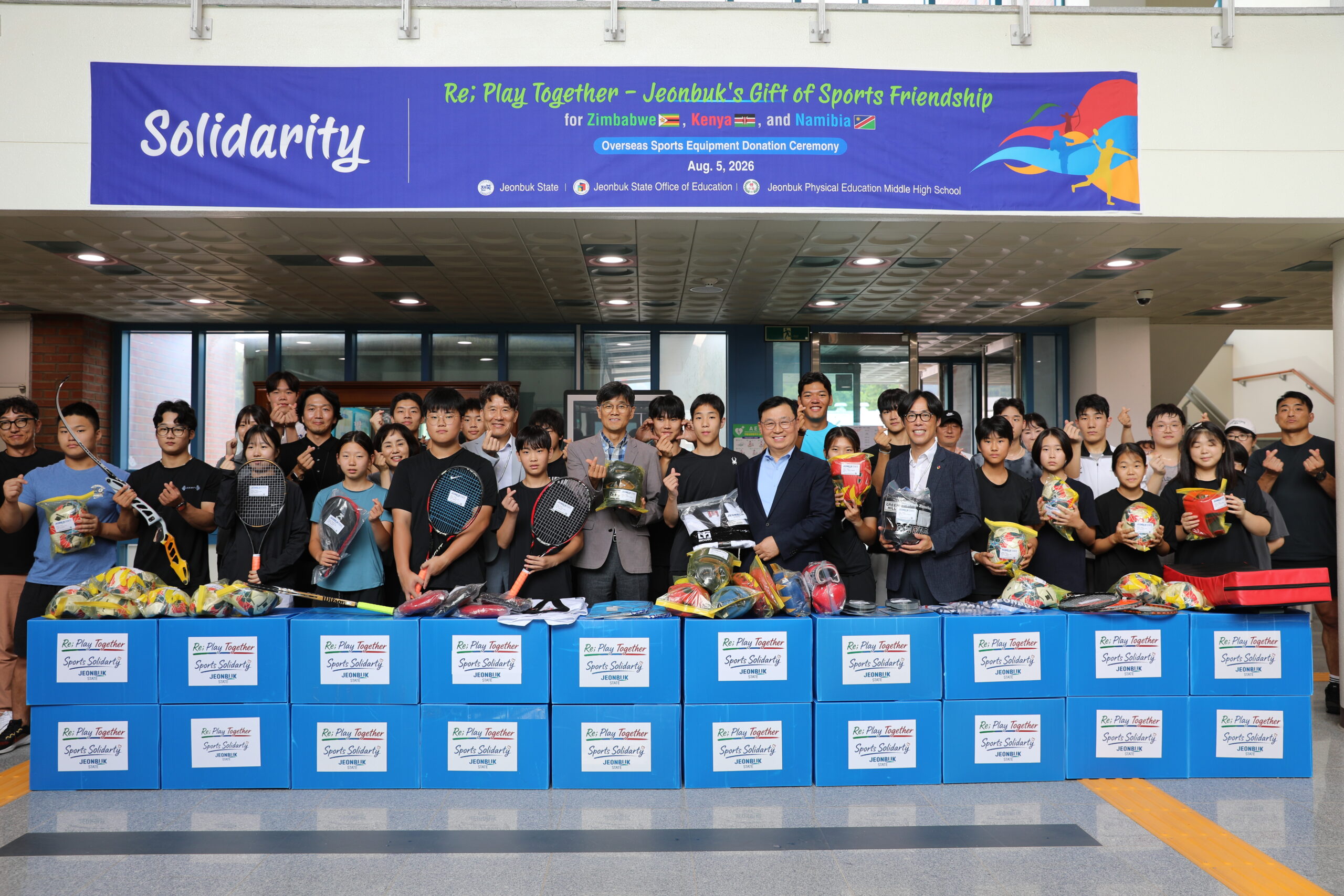
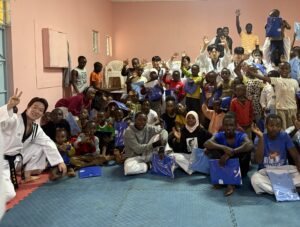
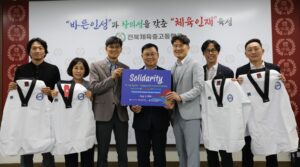
Jeonbuk State, in collaboration with the Jeonbuk State Office of Education and Jeonbuk Physicl Education Middle & High School, is continuing international exchange and friendship through sports by delivering sports equipment donated by students to youth in three African nations. On the 5th, the State and the Office of Education held a send-off ceremony at Jeonbuk Sports Middle & High School for the project titled “Re; Play Together, Jeonbuk Sports Friendship Gifts,” shipping the items to Zimbabwe, Kenya, and Namibia. The theme, ‘Re; Play Together,’ signifies resuming games (Re; Play) that had been halted due to a shortage of soccer balls and sports gear, this time together with Jeonbuk.

This initiative goes beyond mere material support; it aims to practice solidarity and friendship across borders through sports and to expand the foundation for exchange among future generations. In particular, sharing equipment that students actually used spreads the value of sharing while extending Jeonbuk’s international sports diplomacy into schools and the local community. The project originated from visits last year by officials from Zimbabwe and Namibia, with whom Jeonbuk has maintained international sports exchanges. During their visit to Jeonbuk Sports Middle & High School, they requested support for sports equipment. Students readily agreed to contribute, leading to a broader international exchange program supported by the State, the Office of Education, and the school. The donated items total 616 pieces across 12 sports, including soccer, taekwondo, shooting, archery, swimming, etc. —comprising both gear previously used by students and new items collected for this project. The equipment will be delivered to the Ministry of Sport, Recreation, Arts and Culture and National Olympic Committees of each country via Zimbabwean diplomatic missions and international shipping. It will then be distributed to young athletes and youth active in organizations such as the Kirsty Coventry Academy in Zimbabwe, the Waitaka Taekwondo Club in Kenya, and the MTC Hopsol Youth Soccer League in Namibia.
Kim Jong-phil, Director General of Jeonbuk State’s 2036 Summer Olympics Bid Department, stated: “I hope the precious sports items that nurtured the dreams of our Jeonbuk students will serve as a new source of hope for African youth. Moving forward, we will continue to promote international exchange through sports, guided by the International Olympic Committee’s (IOC) core values of inclusion and solidarity.” Im Young-gun, Director of Arts, Physical Ed & Health Division at the Jeonbuk State Office of Education, said, “It was a meaningful opportunity for our students to put into practice the spirit of sportsmanship through sharing and caring while developing a global perspective. We hope that the students’ small but heartfelt gesture will be warmly received by young people in Africa.”

Meanwhile, Jeonbuk State has been steadily expanding its international sports network by dispatching a Taekwondo demonstration team to the World Taekwondo U-21 Championship in Kenya, participating in the World Union of Olympic Cities General Assembly, and broadening sports exchanges with African nations. Starting with the “Sports Friendship Gift” pilot project, Jeonbuk State plans to consider expanding the countries and sports covered by the initiative, while also promoting the hosting of international sporting events and exchange programs inviting young athletes from overseas, with the goal of developing Jeonbuk into a specialized international sports city.
Events
”More>>”
Journalists on the podium
”More>>”
Advertisement
Young Reporter’s corner
”More>>”

The Final in Numbers

AIPS ASIA News:

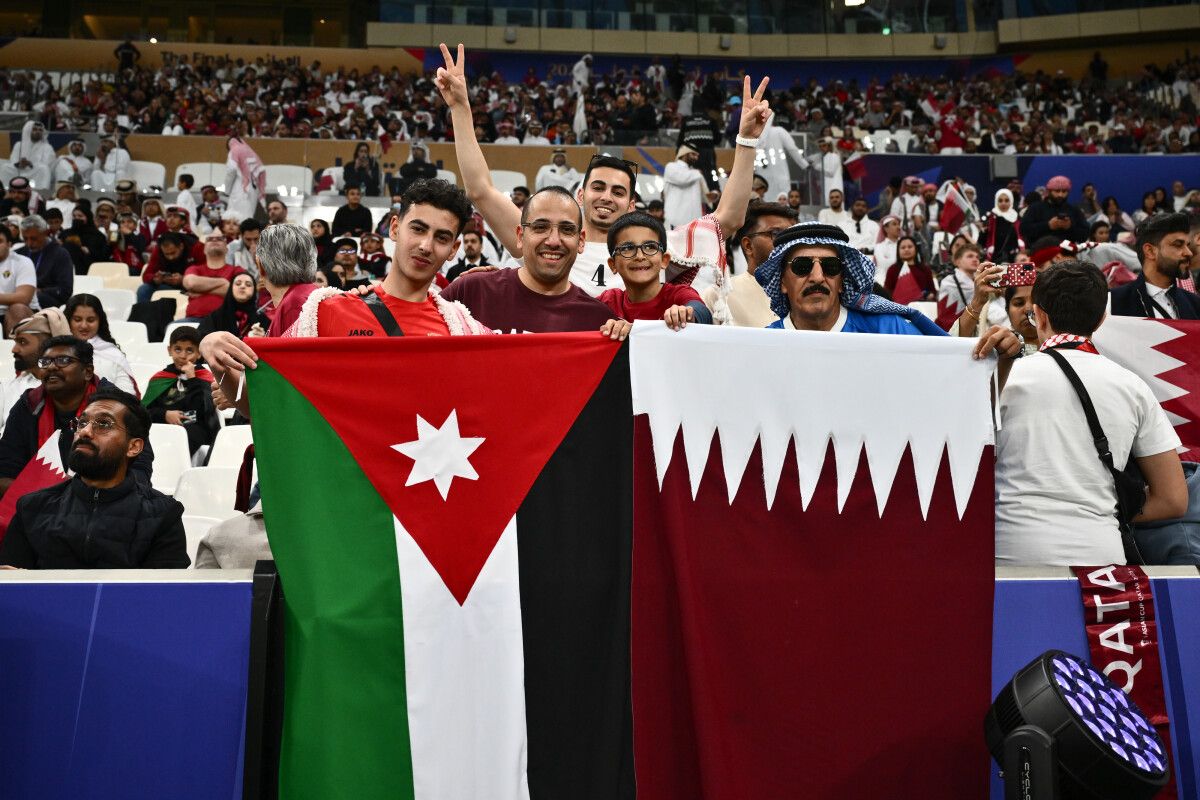
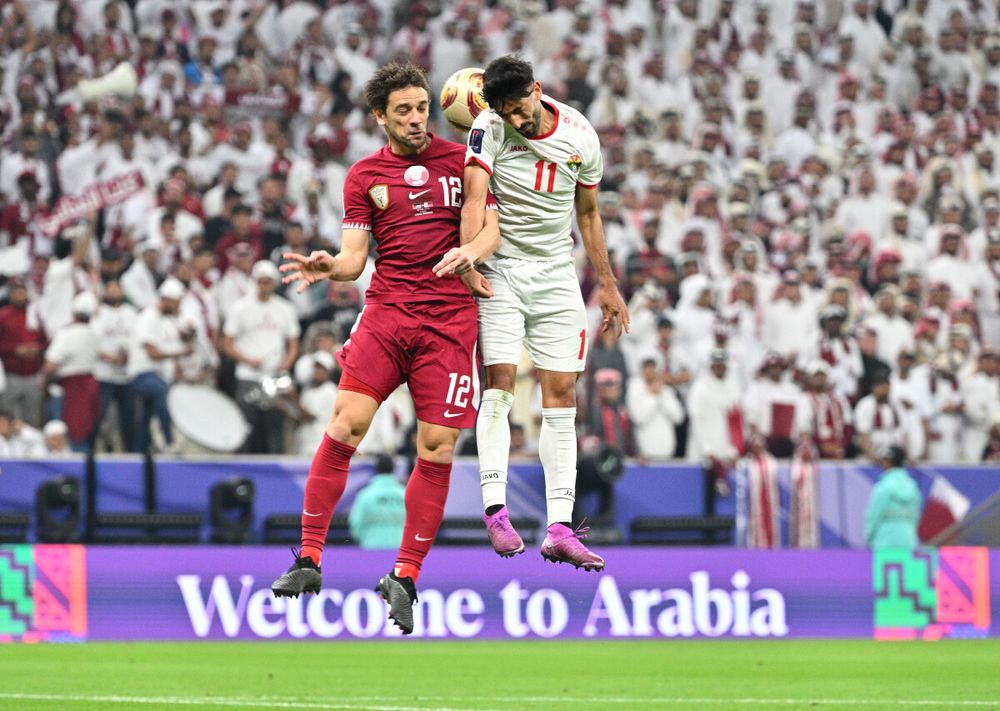
Doha: After an action-packed month that saw 51 matches producing 132 goals, the AFC Asian Cup Qatar 2023™ came to a thrilling conclusion on Saturday with hosts Qatar emerging as the champions and defending their continental crown. 
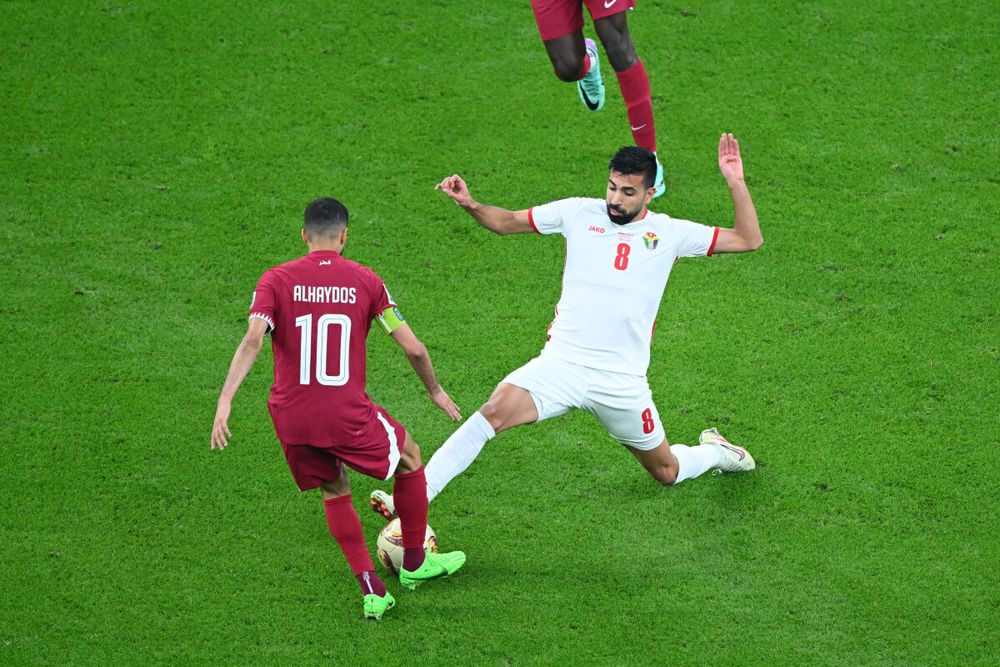
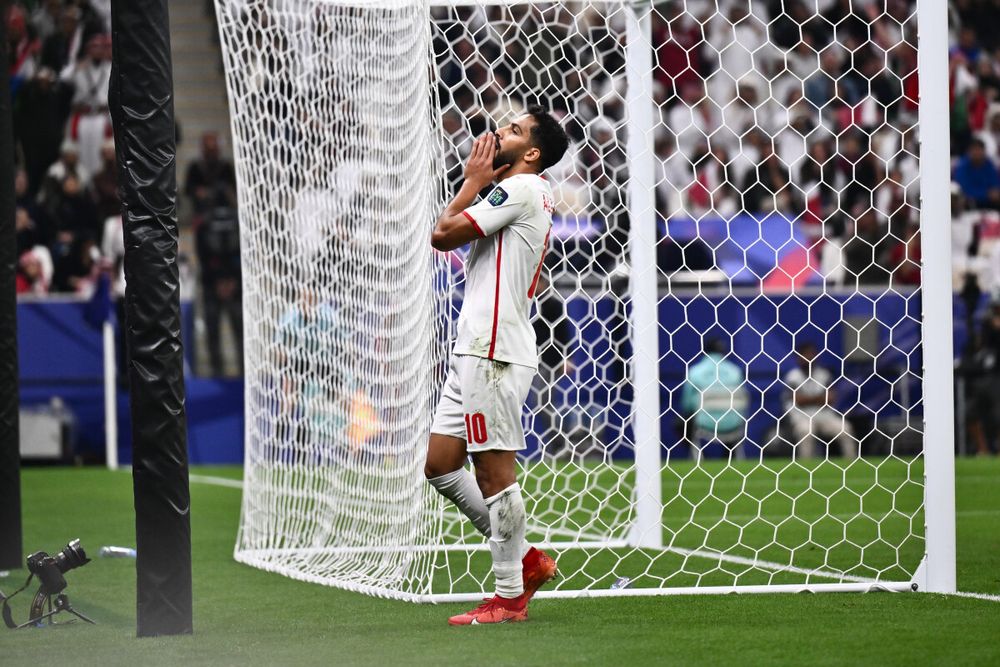
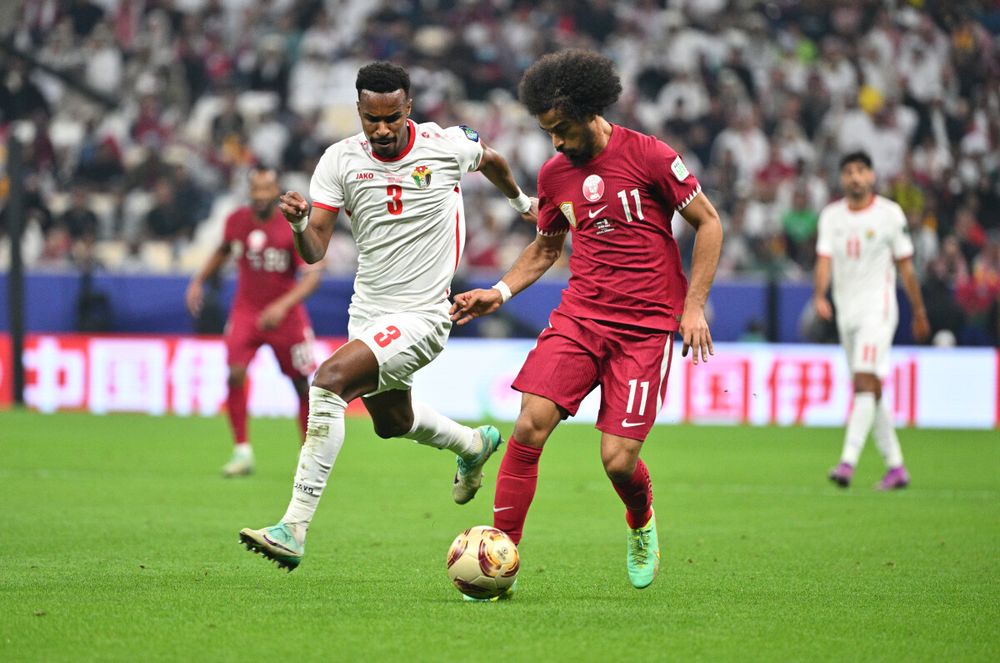
Akram Afif was Qatar’s hero as his hat-trick of penalties defeated the tournament’s surprise package Jordan 3-1 and won the Maroons their second AFC Asian Cup title in front of more than 86,000 fans at Lusail Stadium.
As the dust begins to settle on another glorious campaign for Qatar, the-AFC.com reviews a memorable final by taking a closer look at some of the key facts and stats that caught the eye.


Qatar in good company

After being crowned the continental champions on home soil, Qatar became only the fifth team to successfully defend their AFC Asian Cup title after Korea Republic, Islamic Republic of Iran, Saudi Arabia and Japan.
The Maroons have now matched the Koreans on two titles and only record champions Japan as well as Iran and Saudi Arabia, both on three AFC Asian Cup triumphs, have been more successful than them in the tournament.


Crowds pour in

The 86,492 fans who thronged the iconic Lusail Stadium for the tournament finale was the biggest attendance at the 18th edition of the AFC Asian Cup – after the 82,490 who turned for the opener between Qatar and Lebanon at the same venue on January 12.
Saturday’s crowd also meant that the total attendance during the tournament crossed the 1.5 million mark – 1,509,496 to be exact – which extended this AFC Asian Cup’s record as the most-attended edition in the tournament’s 68-year history.


Historic hat-trick 

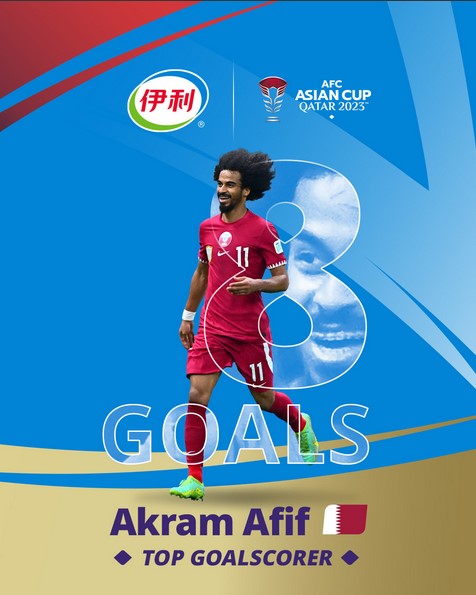
Akram Afif became the first player to score a hat-trick in an AFC Asian Cup final. The 27-year-old is also the third player to score eight goals or more in a single edition of the tournament after Iranian legend Ali Daei who netted eight times in 1996 and Almoez Ali who scored a record nine goals during Qatar’s maiden triumph in 2019.
Saturday’s treble, achieved by converting three penalties, also helped Afif overtake Iraq striker Aymen Hussein, who had led the chart with six goals before the final, and bag the Yili Top Scorer award in the 2023 edition.


Precise passing 
Partners
Advertisement

The Final in Numbers

AIPS ASIA News:

Doha: After an action-packed month that saw 51 matches producing 132 goals, the AFC Asian Cup Qatar 2023™ came to a thrilling conclusion on Saturday with hosts Qatar emerging as the champions and defending their continental crown. 
Akram Afif was Qatar’s hero as his hat-trick of penalties defeated the tournament’s surprise package Jordan 3-1 and won the Maroons their second AFC Asian Cup title in front of more than 86,000 fans at Lusail Stadium.
As the dust begins to settle on another glorious campaign for Qatar, the-AFC.com reviews a memorable final by taking a closer look at some of the key facts and stats that caught the eye.


Qatar in good company

After being crowned the continental champions on home soil, Qatar became only the fifth team to successfully defend their AFC Asian Cup title after Korea Republic, Islamic Republic of Iran, Saudi Arabia and Japan.
The Maroons have now matched the Koreans on two titles and only record champions Japan as well as Iran and Saudi Arabia, both on three AFC Asian Cup triumphs, have been more successful than them in the tournament.


Crowds pour in

The 86,492 fans who thronged the iconic Lusail Stadium for the tournament finale was the biggest attendance at the 18th edition of the AFC Asian Cup – after the 82,490 who turned for the opener between Qatar and Lebanon at the same venue on January 12.
Saturday’s crowd also meant that the total attendance during the tournament crossed the 1.5 million mark – 1,509,496 to be exact – which extended this AFC Asian Cup’s record as the most-attended edition in the tournament’s 68-year history.


Historic hat-trick 

Akram Afif became the first player to score a hat-trick in an AFC Asian Cup final. The 27-year-old is also the third player to score eight goals or more in a single edition of the tournament after Iranian legend Ali Daei who netted eight times in 1996 and Almoez Ali who scored a record nine goals during Qatar’s maiden triumph in 2019.
Saturday’s treble, achieved by converting three penalties, also helped Afif overtake Iraq striker Aymen Hussein, who had led the chart with six goals before the final, and bag the Yili Top Scorer award in the 2023 edition.


Precise passing 
Videos
”More>>”

Jeonbuk State, in collaboration with the Jeonbuk State Office of Education and Jeonbuk Physicl Education Middle & High School, is continuing international exchange and friendship through sports by delivering sports equipment donated by students to youth in three African nations. On the 5th, the State and the Office of Education held a send-off ceremony at Jeonbuk Sports Middle & High School for the project titled “Re; Play Together, Jeonbuk Sports Friendship Gifts,” shipping the items to Zimbabwe, Kenya, and Namibia. The theme, ‘Re; Play Together,’ signifies resuming games (Re; Play) that had been halted due to a shortage of soccer balls and sports gear, this time together with Jeonbuk.

This initiative goes beyond mere material support; it aims to practice solidarity and friendship across borders through sports and to expand the foundation for exchange among future generations. In particular, sharing equipment that students actually used spreads the value of sharing while extending Jeonbuk’s international sports diplomacy into schools and the local community. The project originated from visits last year by officials from Zimbabwe and Namibia, with whom Jeonbuk has maintained international sports exchanges. During their visit to Jeonbuk Sports Middle & High School, they requested support for sports equipment. Students readily agreed to contribute, leading to a broader international exchange program supported by the State, the Office of Education, and the school. The donated items total 616 pieces across 12 sports, including soccer, taekwondo, shooting, archery, swimming, etc. —comprising both gear previously used by students and new items collected for this project. The equipment will be delivered to the Ministry of Sport, Recreation, Arts and Culture and National Olympic Committees of each country via Zimbabwean diplomatic missions and international shipping. It will then be distributed to young athletes and youth active in organizations such as the Kirsty Coventry Academy in Zimbabwe, the Waitaka Taekwondo Club in Kenya, and the MTC Hopsol Youth Soccer League in Namibia.

Kim Jong-phil, Director General of Jeonbuk State’s 2036 Summer Olympics Bid Department, stated: “I hope the precious sports items that nurtured the dreams of our Jeonbuk students will serve as a new source of hope for African youth. Moving forward, we will continue to promote international exchange through sports, guided by the International Olympic Committee’s (IOC) core values of inclusion and solidarity.” Im Young-gun, Director of Arts, Physical Ed & Health Division at the Jeonbuk State Office of Education, said, “It was a meaningful opportunity for our students to put into practice the spirit of sportsmanship through sharing and caring while developing a global perspective. We hope that the students’ small but heartfelt gesture will be warmly received by young people in Africa.”

Meanwhile, Jeonbuk State has been steadily expanding its international sports network by dispatching a Taekwondo demonstration team to the World Taekwondo U-21 Championship in Kenya, participating in the World Union of Olympic Cities General Assembly, and broadening sports exchanges with African nations. Starting with the “Sports Friendship Gift” pilot project, Jeonbuk State plans to consider expanding the countries and sports covered by the initiative, while also promoting the hosting of international sporting events and exchange programs inviting young athletes from overseas, with the goal of developing Jeonbuk into a specialized international sports city.

Events
”More>>”
Journalists on the podium
”More>>”
Advertisement
Young Reporter’s corner
”More>>”
Partners
Advertisement

All News

Video Gallery